

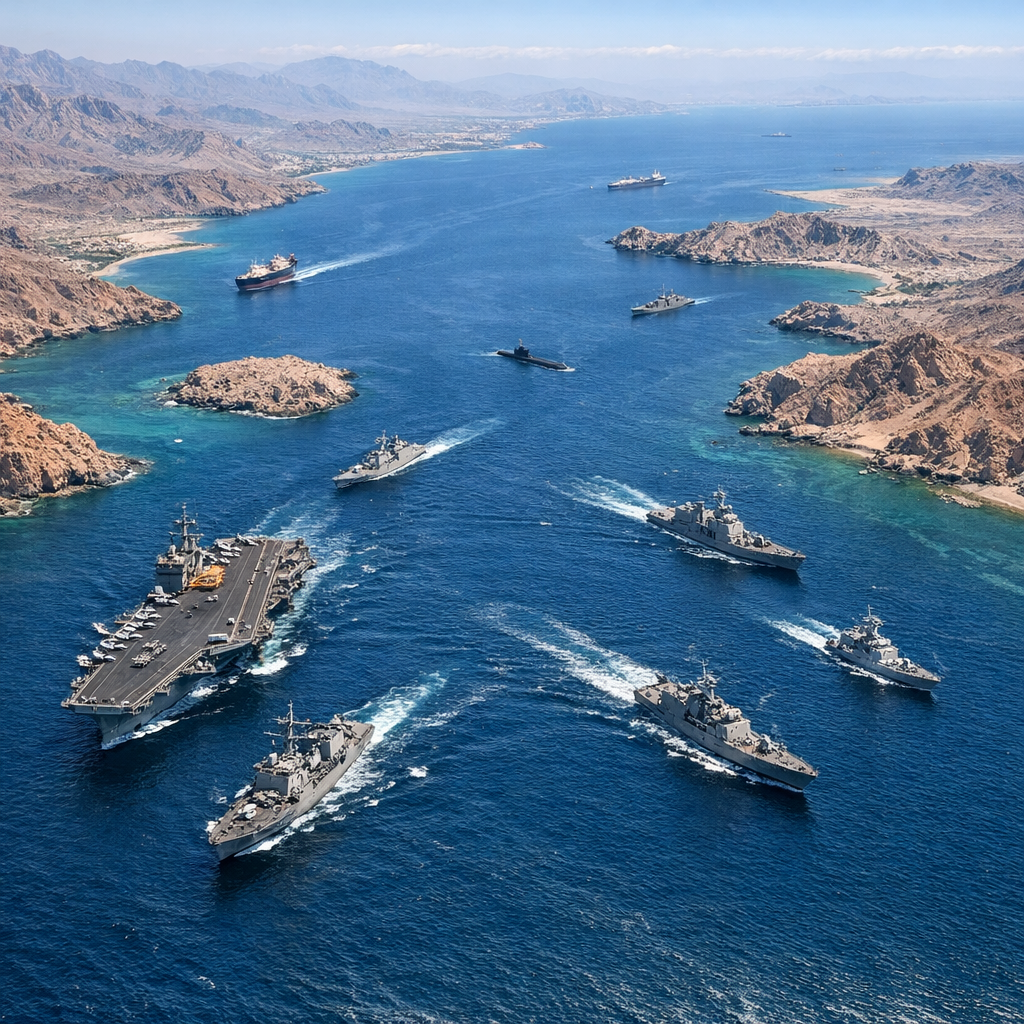
Recent developments in the Strait of Hormuz have once again brought U.S.-Iran relations into the global spotlight. The strategic waterway, through which a significant portion of the world’s oil passes, has been the scene of escalating tensions between the two nations.
Background of the Conflict
Reports indicate that both the United States and Iran have engaged in military actions over the Strait of Hormuz. These incidents have raised alarms about the potential for prolonged instability in the region. Analysts suggest that the current escalation is primarily driven by the United States’ pursuit of a containment strategy aimed at influencing Iran’s regional activities.
Implications for Global Economy
The Strait of Hormuz is a critical chokepoint for global oil shipments. Any disruption in this area can lead to significant fluctuations in oil prices, affecting economies worldwide. The recent clashes have already caused concerns among investors and policymakers about the stability of energy markets.
Local Perspective
For residents of Indianapolis, these international events may seem distant. However, the ripple effects can be felt locally. Potential increases in fuel prices could impact transportation costs, heating expenses, and overall cost of living. It’s essential for our community to stay informed about these developments and understand their broader implications.
Looking Ahead
As the situation unfolds, diplomatic efforts are crucial to de-escalate tensions and ensure the free flow of commerce through the Strait of Hormuz. The international community continues to monitor the situation closely, hoping for a peaceful resolution that will benefit global stability and economic health.