

By Emily Johnson
From Indianapolis to Islamabad, people are connected by a world facing shared pressures. Conflict, economics, climate, and diplomacy are all in flux—and understanding these shifts helps us make sense of headlines and what’s happening around the globe.
1. Conflict and Displacement: A Persistent Human Cost
In many regions, wars continue with devastating effects. Civilian lives are disrupted by displacement, food insecurity, and lack of access to healthcare. Examples include conflicts in Ukraine, the Middle East, and parts of Africa—all testing the limits of global humanitarian response.
The United Nations and agencies like UNHCR report millions of people forced from home, with basic needs unmet. Health emergencies—such as outbreaks of cholera, Ebola, COVID‐19, and others—compound suffering in crisis zones. These twin threats place substantial strain on countries already under pressure.
2. Uneven Economic Resilience
Despite sharp geopolitical risks and rising commodity prices, global growth remains modestly intact. According to economic forecasts, 2026 may see around 3.0% growth globally, with slight improvement into 2027. But that overall number masks stark differences among regions and nations.
Countries heavily reliant on imported energy or materials are among the most vulnerable. Meanwhile, economies tied to technological sectors—especially those benefiting from artificial intelligence—are seeing more opportunity. Inflation is cooling, but not uniformly; price pressures on food and energy remain worrisome in many places.
3. Climate and Global Risk
Environmental disasters—droughts, floods, heat waves—are intensifying, and governments are being forced to adapt quickly. Alongside traditional multilateral venues, climate diplomacy is becoming more distributed, focused not just on negotiation but on implementation and resilience-building.
At multilateral forums, discussions emphasize not just emission targets, but also securing energy supply chains, protecting ecosystems, and supporting vulnerable communities. Climate-related disasters are no longer distant threats—they’re reshaping global priorities now.
4. The Changing Face of Diplomacy
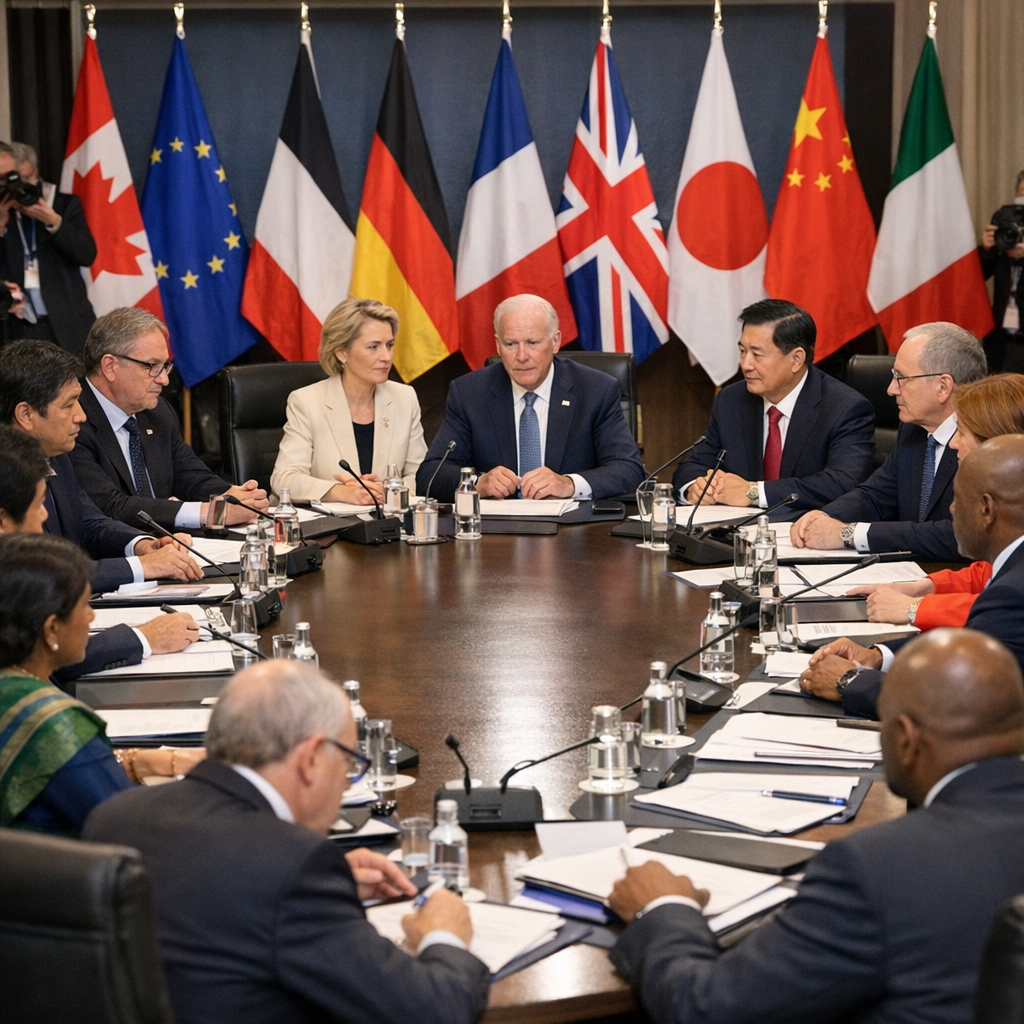
The roles countries play on the global stage are shifting. Smaller and middle powers are stepping up—mediating conflicts, forging regional alliances, and taking responsibility in international crises. Big power competition remains, especially among the U.S., China, and Europe, especially around trade, technology, and geopolitical influence.
Global institutions are being questioned—and reform is increasingly seen as essential. Trust in international law, trade frameworks, and multilateral aid is under pressure from domestic and international skeptics. Still, many actors are innovating, seeking practical agreements in areas like climate, global health, and supply chains.
What This Means for Us Locally
Indianapolis isn’t isolated from these trends. Local businesses navigate supply chain volatility, immigration from conflict zones reshapes communities. Universities and civic organizations work with international partners responding to global health threats. Understanding the world helps us stay prepared—and compassionate.
Looking Ahead
- Watch for conflicts that become protracted crises—where relief and reconstruction lag, and human suffering deepens.
- Monitor economic indicators like food and energy prices—small shocks often ripple into local impacts.
- Support local engagement in climate resilience—where global challenges meet on our doorstep.
- Encourage meaningful diplomacy—championing institutions that protect rights, foster cooperation, and hold power to account.