

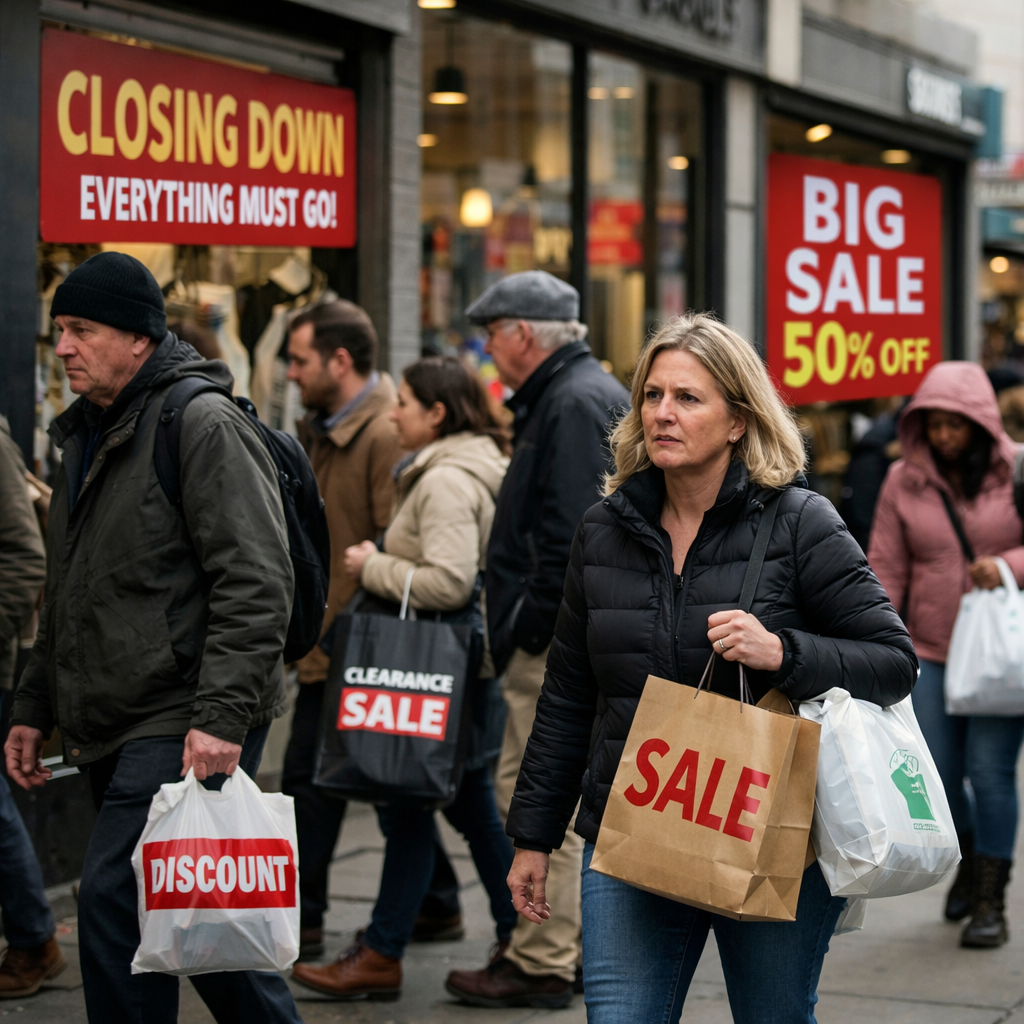
The United States economy is currently experiencing a complex interplay of factors influencing its trajectory. Recent data reveals a mix of growth and challenges that warrant close attention.
Employment Trends
Job creation has shown signs of slowing. In July, the economy added 73,000 jobs, a notable decrease from the previous year’s monthly average of 168,000. This decline raises concerns about the labor market’s resilience and its capacity to sustain economic momentum.
Inflationary Pressures
Inflation has been on an upward trend, with prices rising by 2.6% over the year ending in June. This increase is partly attributed to higher costs of imported goods, including appliances and furniture, following recent tariff implementations. Consumers are feeling the pinch as everyday expenses become more burdensome.
Gross Domestic Product (GDP) Performance
The nation’s GDP growth has also decelerated. The first half of the year saw an annual growth rate of less than 1.3%, a significant drop from the 2.8% growth observed last year. This slowdown suggests that the economy’s expansion is losing steam, prompting discussions about potential policy interventions.
Public Sentiment
Public confidence in the economy is wavering. A Gallup poll indicates that about one-third of Americans view politics and government as the nation’s most pressing issues, reflecting broader concerns about economic stability and governance.
Looking Ahead
As the economy navigates these challenges, policymakers and stakeholders are closely monitoring indicators to inform decisions that will foster sustainable growth. The coming months will be crucial in determining the direction of the U.S. economy and addressing the concerns of its citizens.