

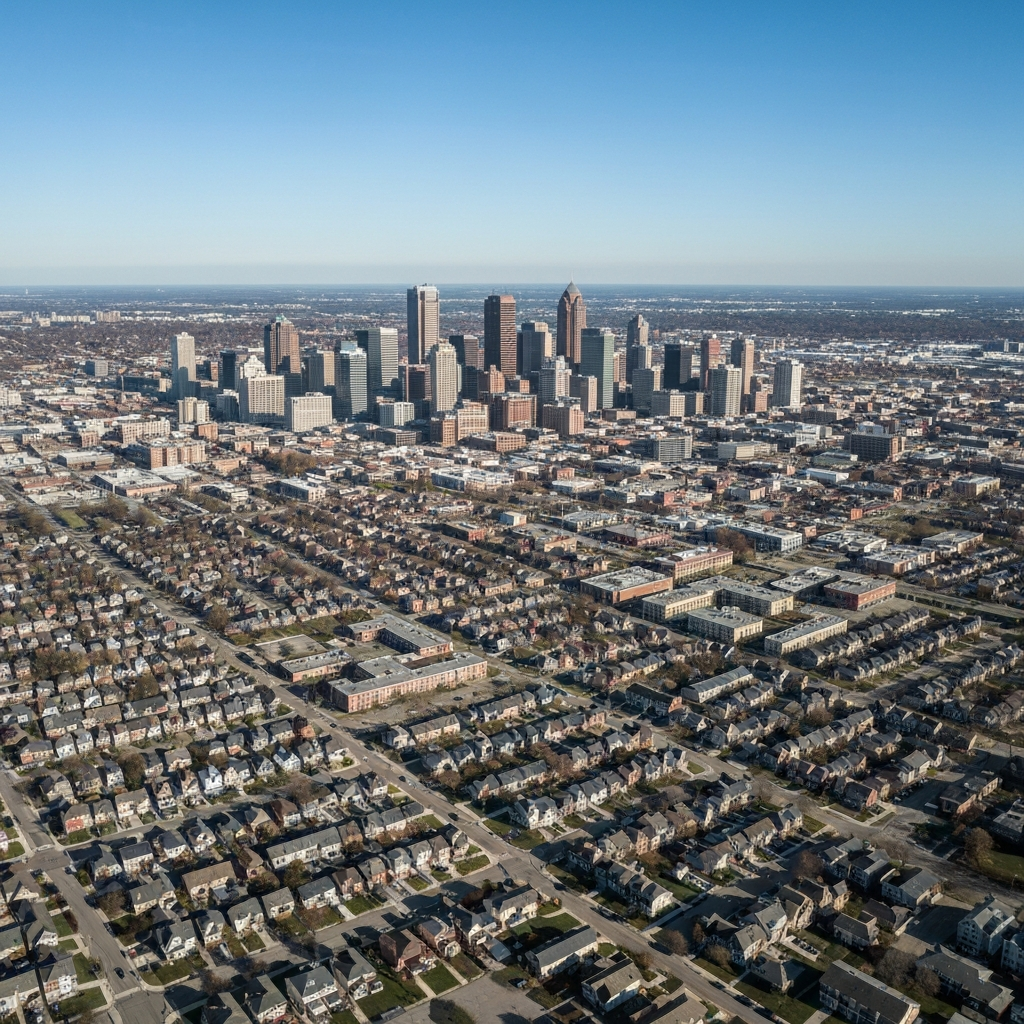
Indianapolis’ real estate market is undergoing significant transformations, presenting both challenges and opportunities for residents and investors alike. Understanding these changes is crucial for making informed decisions in the current housing landscape.
Market Trends: Inventory and Pricing
Recent data indicates a notable increase in housing inventory within Indianapolis. In March 2026, active listings rose to 2,179 homes, marking a 21.4% year-over-year increase, significantly outpacing the national average of 6.2%. This surge provides prospective buyers with a broader selection of properties. However, the median sale price experienced a slight decline of 1.2% from the previous year, settling at $245,000. Additionally, homes are remaining on the market longer, with an average of 55 days compared to 27 days last year. These trends suggest a shift towards a more balanced market, offering buyers increased negotiating power.
Rental Market Dynamics
The rental market in Indianapolis presents its own set of challenges. While the median monthly rent stands at $1,273, below the national median of $1,487, many renters are severely cost-burdened, spending over half their income on housing. This financial strain underscores the need for affordable housing solutions within the city.
Development Initiatives and Urban Planning
Indianapolis is actively pursuing development projects aimed at revitalizing urban spaces and enhancing community connectivity. One notable initiative involves plans to cap a portion of the I-65/I-70 Inner Loop, specifically the recessed “South Split” at Virginia Avenue. This project aims to reconnect neighborhoods such as Fletcher Place, Fountain Square, and Bates-Hendricks with downtown, potentially reclaiming 8.2 acres for development, including green spaces and housing units. Such efforts reflect the city’s commitment to sustainable urban development and community engagement.
Office Space Trends: Downtown vs. Suburbs
The commercial real estate sector is also experiencing shifts. Downtown Indianapolis saw a decline in office space occupancy, losing 203,000 square feet in the first quarter of 2026. This trend mirrors a national shift towards remote work and changing office needs. Conversely, suburban areas around Indianapolis reported a gain of 357,000 square feet in office space demand, indicating a growing preference for suburban work environments.
In summary, Indianapolis’ real estate market is in a state of flux, influenced by increased inventory, evolving rental dynamics, ambitious development projects, and changing commercial space preferences. Staying informed about these trends is essential for anyone looking to navigate the city’s housing and real estate sectors effectively.