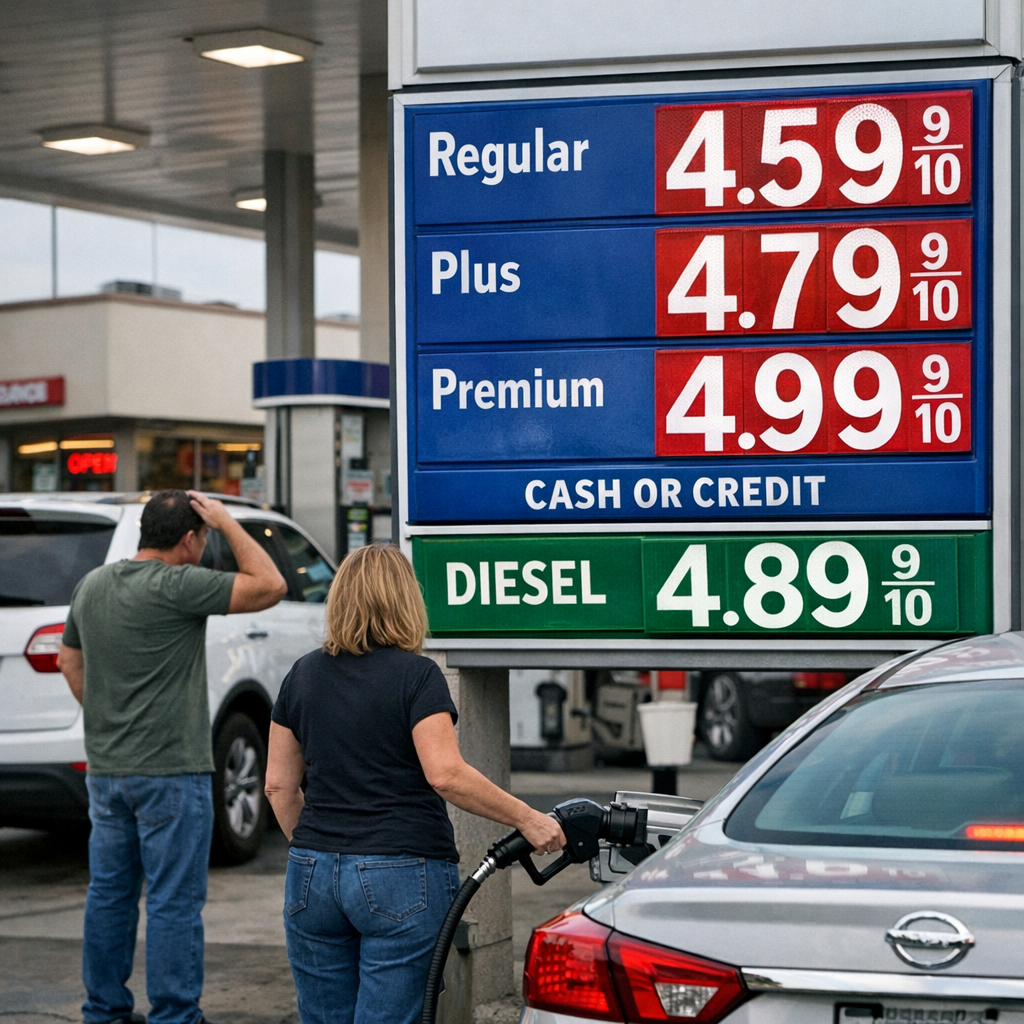
As the United States grapples with rising inflation and evolving political dynamics, understanding the broader economic landscape becomes crucial for communities like Indianapolis. Recent data indicates that inflation surged to 3.8% in April, driven in part by the ongoing conflict in Iran, which has pushed national average gas prices above $4.50 per gallon. This escalation has led to a decline in real purchasing power, as wage growth has not kept pace with rising costs. Consequently, many Americans are increasingly relying on credit to manage daily expenses, with consumer borrowing experiencing its largest monthly increase since late 2022. Additionally, consumer sentiment has plummeted to record lows, reflecting widespread economic pessimism. Small business optimism has also declined, reaching its lowest point since before President Trump’s reelection. While the administration emphasizes tax cuts, deregulation, and energy independence to stabilize the economy, the political risks associated with economic unrest are becoming more pronounced. For Indianapolis residents, these national trends underscore the importance of staying informed and proactive in financial planning to navigate the current economic climate.