

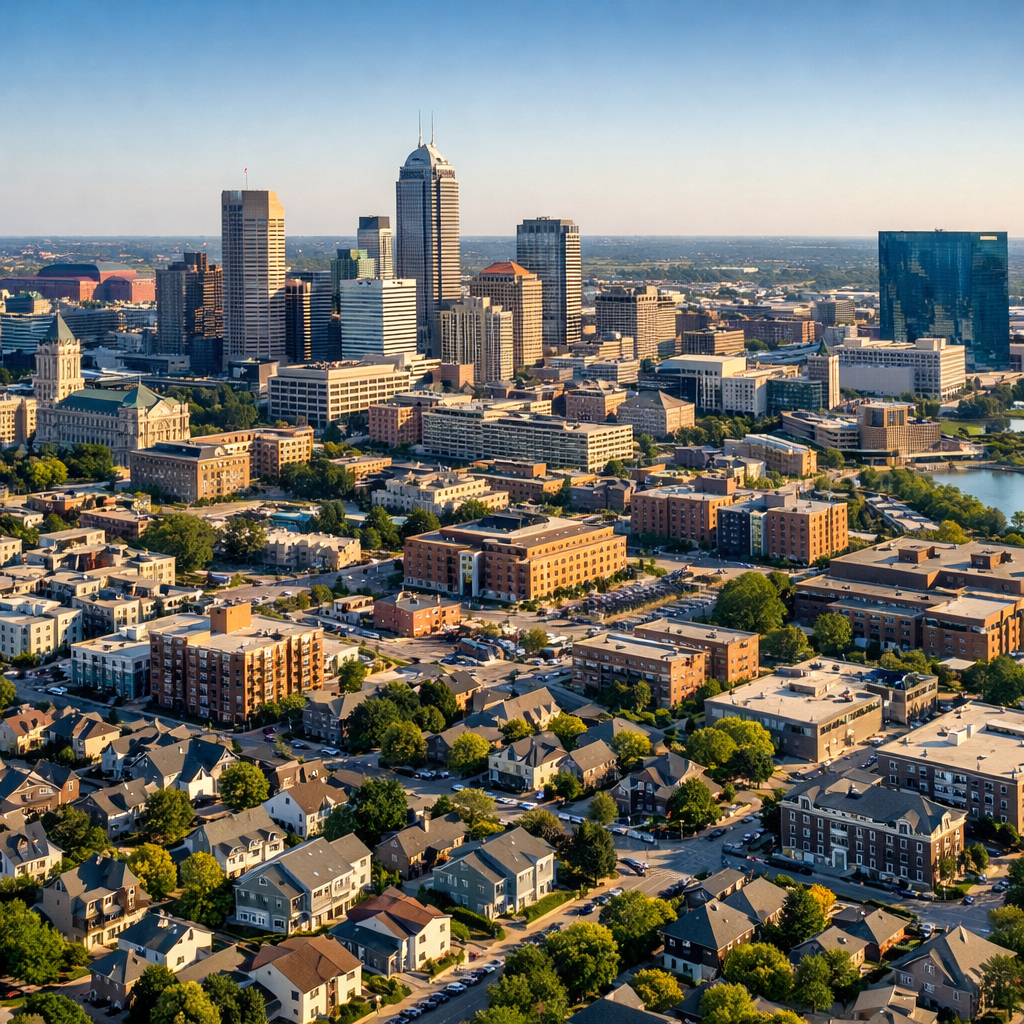
Indianapolis’s real estate market is undergoing significant transformations, presenting both challenges and opportunities for residents and investors alike. Understanding these shifts is crucial for making informed decisions in the current housing landscape.
Market Trends: Inventory and Pricing
Recent data indicates a notable increase in housing inventory across Indianapolis. In March 2026, active listings rose by 21.4% year-over-year, surpassing the national average increase of 6.2%. This surge provides prospective buyers with a broader selection of properties. Concurrently, the median list price experienced a slight decline, offering potential cost savings for purchasers. However, sellers may need to adjust pricing strategies to remain competitive in this evolving market.
Rental Market Dynamics
The rental sector in Indianapolis presents a complex picture. While the median monthly rent stands at $1,273, below the national median of $1,487, many renters allocate over half their income to housing costs. This financial strain underscores the importance of affordable housing initiatives and the need for balanced development to cater to diverse income levels.
New Developments and Urban Planning
Indianapolis is witnessing significant developments aimed at revitalizing urban spaces and enhancing community connectivity. Notably, the city is considering capping a portion of the I-65/I-70 Inner Loop, specifically the recessed “South Split” at Virginia Avenue. This initiative aims to reconnect neighborhoods and stimulate development in areas previously divided by the interstate. Proposed plans include creating green spaces and housing units, potentially generating substantial economic benefits and job opportunities.
Office Space Trends
The commercial real estate sector reflects a shift in workspace preferences. Downtown Indianapolis experienced a loss of 203,000 square feet of office space occupancy in the first quarter of 2026, reversing gains from late 2025. This trend aligns with a national increase in office vacancies, influenced by evolving work habits and the rise of remote work. Conversely, suburban areas around Indianapolis have seen a surge in office space demand, indicating a potential shift towards decentralized work environments.
Conclusion
As Indianapolis’s real estate market continues to evolve, staying informed about these trends is essential for residents, investors, and policymakers. Balancing development with affordability, embracing innovative urban planning, and adapting to changing commercial space needs will be key to fostering a resilient and inclusive housing environment in the city.