

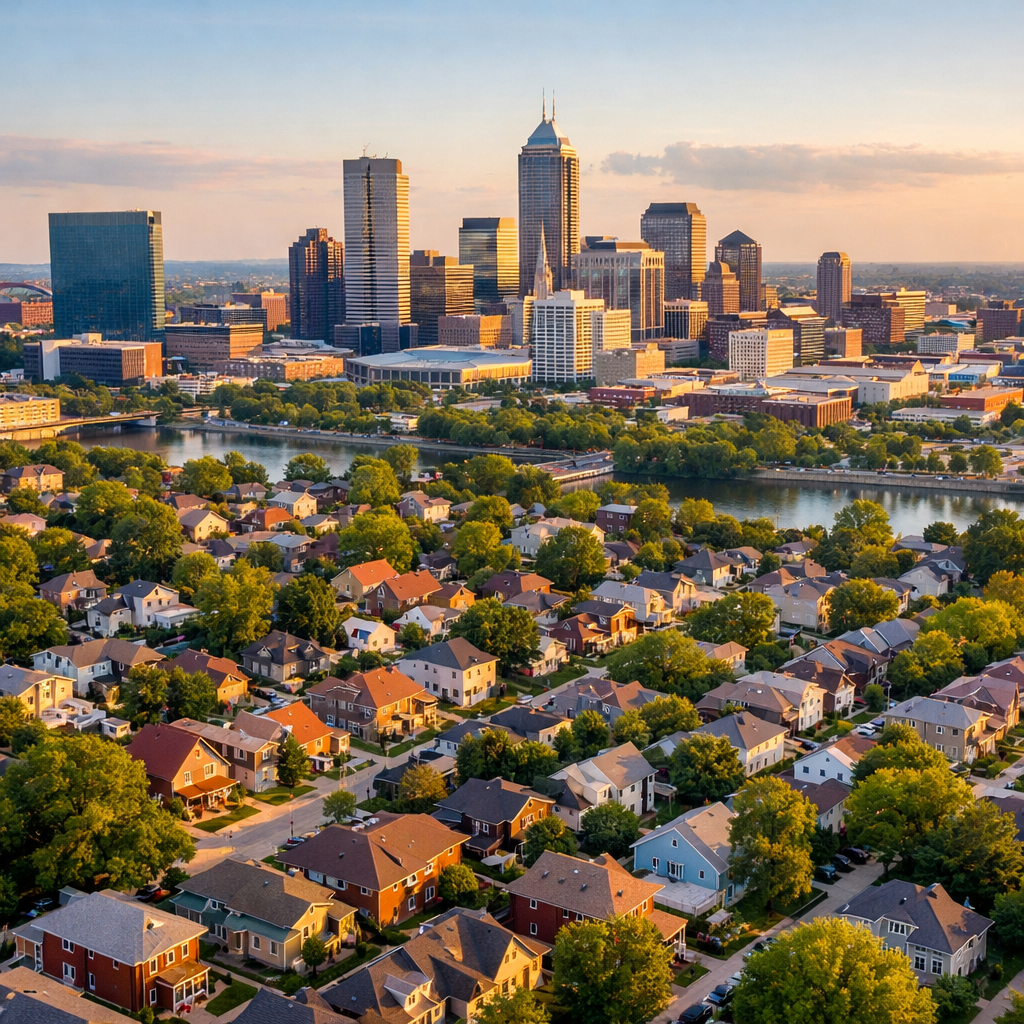
Indianapolis’s real estate market is undergoing significant transformations, presenting both challenges and opportunities for buyers, sellers, and investors. Understanding these shifts is crucial for making informed decisions.
Market Trends and Inventory Dynamics
Recent data indicates a notable increase in housing inventory. In March 2026, active listings rose by 21.4% year-over-year, providing buyers with more options and potentially easing the competitive landscape. This surge in inventory has contributed to a slight dip in median list prices, offering a more favorable environment for prospective homeowners. However, homes are spending more time on the market, with the median days on market increasing to 55 days, up from 27 days the previous year. This trend suggests a shift towards a more balanced market, where buyers may have increased negotiating power.
Affordability and the Renting vs. Owning Dilemma
Affordability remains a pressing concern. Owning a home in Indianapolis is currently 34% more expensive than renting, reflecting a nationwide trend. The median monthly rent stands at $1,273, below the national median, yet many renters are severely cost-burdened, spending over half their income on housing. Additionally, it now takes the average resident seven years to save for a median down payment of $29,007, more than double the pre-pandemic timeframe. These factors underscore the financial challenges many face in transitioning from renting to homeownership.
Notable Developments and Urban Revitalization
Several developments are reshaping Indianapolis’s urban landscape. The Stella, a six-story, 166-unit mixed-income apartment complex located along the IndyGo Red Line, was named the 2026 Multifamily Development of the Year. This project exemplifies the city’s commitment to transit-oriented development and neighborhood revitalization. Additionally, plans to cap part of the I-65/I-70 Inner Loop aim to reconnect neighborhoods and create new opportunities for housing and green spaces, potentially adding up to 585 housing units and 2.4 acres of green space. These initiatives reflect a broader effort to enhance urban living and address housing needs.
Conclusion
As Indianapolis’s real estate market continues to evolve, staying informed about inventory trends, affordability challenges, and ongoing developments is essential. Whether you’re considering buying, selling, or investing, understanding these dynamics will help you navigate the market effectively.